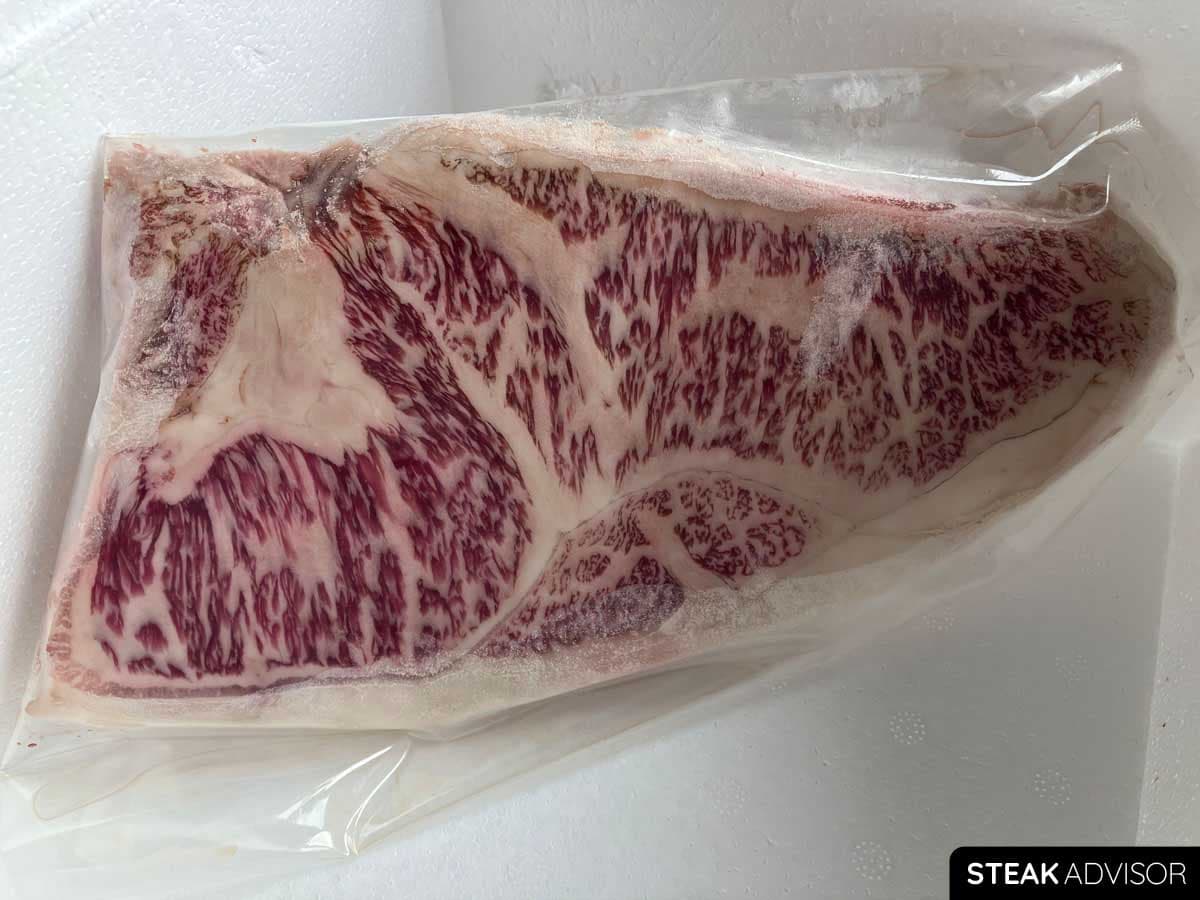

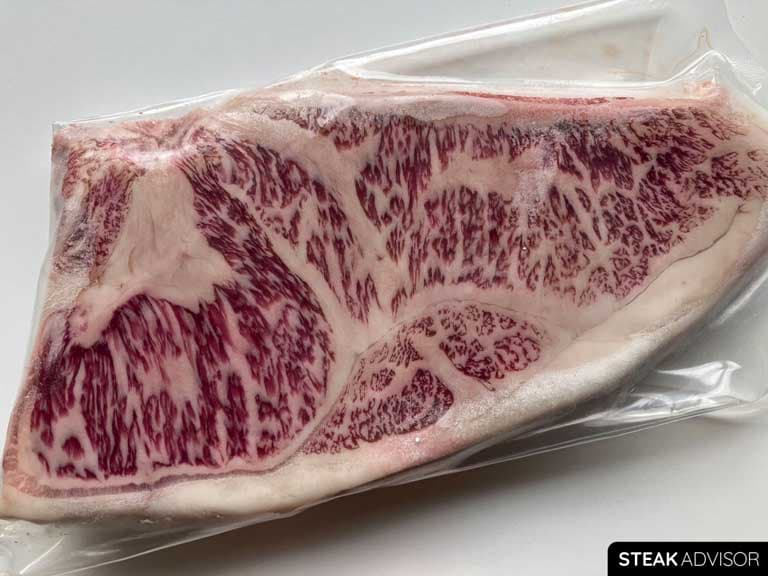
Olive Wagyu is one of the rarest and most sought-after types of Japanese Wagyu. It’s famous for its intense marbling, rich flavor, and incredible tenderness. In this guide, I’ll explain exactly what Olive Wagyu is, where it comes from, what makes it different, how it tastes, how much it costs, and where you can buy it.
What Is Olive Wagyu?
Olive Wagyu is a premium type of Japanese Wagyu from Shodoshima Island in Kagawa Prefecture, Japan. What makes it different from other Wagyu is the cattle’s diet. In addition to their regular feed, they are fed the leftover pulp from olive oil production, a by-product of the island’s olive oil industry.
That may sound like a small detail, but it’s the defining feature of Olive Wagyu beef. Shodoshima is known for olive cultivation, and that is what gave Masaki Ishii the idea to use part of the olive by-product as cattle feed rather than letting it go to waste. The result is a very limited and highly recognizable type of Wagyu with a strong reputation among beef lovers.
Because production is so small, Olive Wagyu beef is much harder to find than other well-known Japanese Wagyu types. Only a limited number of cattle are raised this way, which is one of the main reasons this beef is considered so rare and exclusive.
Important
Olive Wagyu beef is not just regular Wagyu beef with a fancy label. It’s a very limited regional product with its own feeding program, which is exactly why it has built such a strong reputation.
What Is the History of Olive Wagyu?
The history of Olive Wagyu started on Shodoshima, a small island in Japan’s Seto Inland Sea in Kagawa Prefecture. According to the official Olive-fed Wagyu source, the island has a long tradition of cattle raising that goes back more than 1,300 years. Raising Wagyu cattle for meat production began there in 1882. Over time, the island became known not only for cattle farming, but also for olive growing. Today, it produces 90% of Japan’s olives and award-winning olive oil.
The idea behind Olive Wagyu came from local rancher Masaki Ishii, who noticed that a lot of olive pulp was left over after olive oil production and went to waste. Instead of letting it go to waste, he started looking for a way to use it as cattle feed. That turned out to be harder than it sounds, because the cattle did not want to eat the bitter olive leftovers at first.
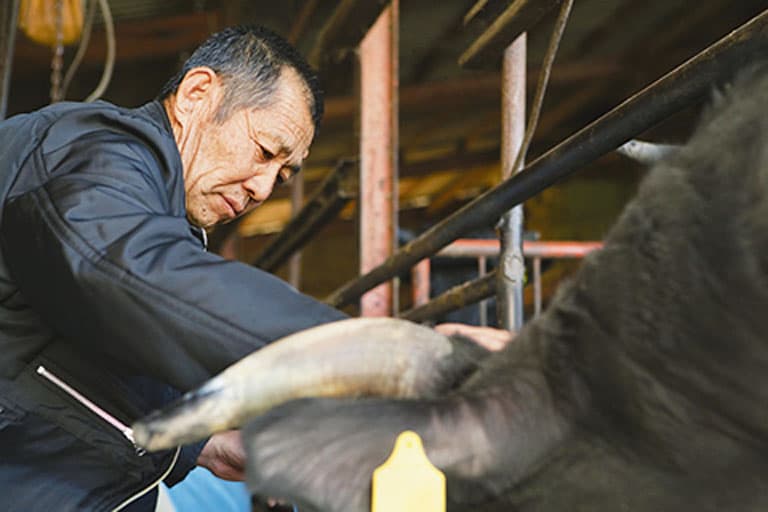
After years of trial and error, he developed a process for drying and roasting the pressed olives, making them more suitable for feed. That process caramelized the natural sugars in the olives, creating a sweeter taste that made the feed much more acceptable to the cattle.
Once the cattle started eating this mixture regularly, the results became clear. The meat was richer, more buttery, and heavily marbled, and it also had a high oleic content. From there, Olive Wagyu began earning the highest beef grades in Japan’s beef grading system and built a reputation as one of the country’s most distinctive types of regional Wagyu. Because production remained very small, it also became one of the rarest and most exclusive regional Wagyu products in Japan.
What Does Olive Wagyu BeefTaste Like?
Olive Wagyu beef tastes intensely rich, buttery, and deeply umami. That is the first thing most people notice. It does not eat like a regular steak. The marbling changes the whole experience.
The olive-based diet is part of what makes that possible. Olive Wagyu beef is high in monounsaturated fat, especially oleic acid, which helps give the fat a softer texture and helps explain why the meat feels so delicate when you eat it.
Some people believe the olive feed also affects the flavor itself. That may be true, but in my opinion, the texture difference is much easier to notice than any specific flavor note.
How Much Does Olive Wagyu Beef Cost?
Like other high-end Japanese Wagyu, Olive Wagyu is one of the most expensive types of beef in the world. Depending on the cut and the seller, a single authentic Olive Wagyu steak can easily cost hundreds of dollars.
A few examples from Crowd Cow (as of April, 2026):
- Ribeye steak, 13 oz (368 g): $257.98
- New York strip steak, 13 oz (368 g): $244.33
- Filet mignon, 6 oz (170 g): $218.92
- Petite ribeye, 4 oz (113 g): $90.72
- Petite striploin, 4 oz (113 g): $85.92
Source: Crowd Cow, Olive Wagyu collection page.

Why Is Olive Wagyu Beef So Expensive?
Here are the main reasons Olive Wagyu beef costs so much:
- Extremely limited supply: Olive Wagyu is incredibly rare. These cattle are raised only on Shodoshima Island, and the total herd is very small. According to Crowd Cow, there are only about 2,200 animals, though the official Olive-fed Wagyu source cites 1,700. Either way, the herd is clearly very small, which makes Olive Wagyu much rarer than most other Japanese Wagyu. That limited supply alone pushes the price much higher.
- Strict production standards: This is not just about feeding cattle olive by-products and hoping for the best. The cattle are raised under strict standards designed to maintain quality and consistency. That includes their feeding program, breeding, and overall raising conditions.
- Exceptional beef quality: Olive Wagyu beef is known for its impressive marbling, extreme tenderness, rich flavor, buttery texture, and high oleic content. That kind of eating quality makes it more valuable than regular beef and even more expensive than many other premium beef products.
- Export and import costs: Olive Wagyu beef becomes even more expensive outside Japan. Shipping, insurance, cold-chain handling, import fees, and other logistics all increase the final retail price.
Is Olive Wagyu Beef Worth It?
In my opinion, Olive Wagy is worth it, but only if you already know you enjoy very rich, heavily marbled beef. This is not the kind of steak you buy for an everyday dinner. You buy it for the experience.
What makes Olive Wagyu beef so special is also what makes it a bad choice for some people. It has that intense buttery texture and very rich flavor that comes from all the marbling. If that’s what you want, it’s worth the price.
But Olive Wagyu is definitely not for everyone. It does not eat like a good USDA Choice steak, and it does not even eat like USDA Prime. It is much richer, much tender, and much heavier. Some people try Wagyu expecting it to taste like a better version of a normal steak, and that is where they get disappointed, especially at this price.
That’s why I think Olive Wagyu makes the most sense for a special occasion. It is the kind of steak you buy when you want something memorable, not something regular. It is simply too rich to treat like a normal steak.

Where To Buy Authentic Olive Wagyu Beef in the United States?
If you want authentic Olive Wagyu beef from Shodoshima in the United States, Crowd Cow and The Wagyu Shop are two of the best places to buy it. That part matters because if you’re paying this much, you want the real thing, not just Wagyu with a nice label.
I personally like Crowd Cow and The Wagyu Shop because they offer more than just one or two cuts. That gives you more flexibility depending on your budget and what you actually want to try. If you want to check what they currently have available, take a look at their Olive Wagyu collections here:
- Crowd Cow: https://www.crowdcow.com/ranch/olive-wagyu
- The Wagyu Shop: https://wagyushop.com/collections/olive-wagyu
If this is your first time trying Olive Wagyu, start with a smaller cut. That is the smartest move. Olive Wagyu is extremely rich, and it is not the kind of steak everyone ends up loving. A smaller steak lets you try it without spending too much on a large piece you may not fully enjoy. Crowd Cow is a good option for that because they offer smaller cuts like a petite ribeye or petite sirloin.
