

American Wagyu is one of the most popular types of Wagyu beef, right behind Japanese Wagyu. But despite its popularity, it’s also one of the most misunderstood terms in the beef world. Is American Wagyu real Wagyu, or is it just a marketing label? The answer depends on the cattle’s genetics and how the beef is marketed.
In this guide, I’ll explain exactly what American Wagyu is, how it’s classified, where it comes from, and how it compares to Japanese Wagyu. I’ll also cover what American Wagyu tastes like, where to buy it, and what to look for if you’re thinking about buying it.
What is American Wagyu?
“Wagyu” literally means “Japanese cattle”, but in USDA-certified beef programs that use American Wagyu Association standards, American Wagyu generally refers to cattle with Wagyu genetics that are born, raised, and harvested in the United States.
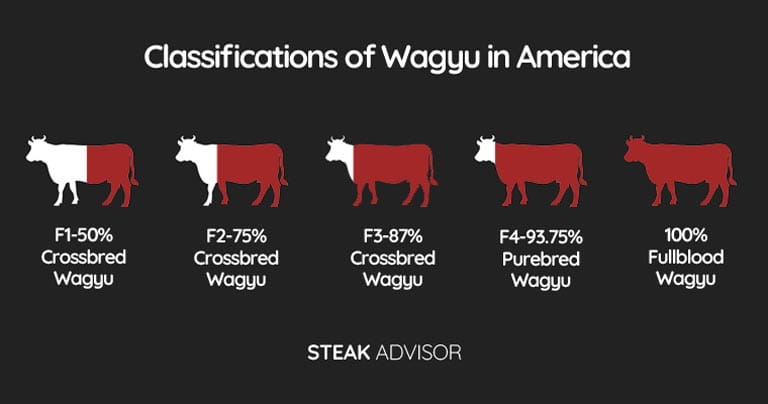
Depending on the animal’s lineage, American Wagyu may be classified as Wagyu Fullblood (100% Wagyu), Wagyu Purebred (minimum 93.75% Wagyu), or Wagyu influence / American Wagyu (crossbred), which must be traceable to at least one registered Fullblood or Purebred parent.
So, at its core, “American Wagyu” tells you about the cattle’s genetics, not the final quality of the beef. And that’s where a lot of the confusion starts. Many people hear the word Wagyu and immediately picture heavily marbled A5 Japanese Wagyu. But that’s not what every Wagyu product looks like, especially outside Japan.
More importantly, not every Wagyu steak is automatically exceptional just because it comes from Wagyu cattle. Grade still matters. Marbling still matters. And outside Japan, those things can vary a lot, especially in countries where Wagyu cattle are often crossed with other breeds, such as Angus.
That’s why, when buying American Wagyu, it’s better to focus on the actual quality of the beef, not just the name on the label. The term “American Wagyu” alone doesn’t tell you how much marbling the beef actually has, how tender the meat will be, or whether it will look dramatically different from a good USDA Prime steak.
Note
Remember, genetics are only part of the story. How the cattle are raised also plays a huge role in the final result, affecting marbling, tenderness, and overall flavor. In the U.S., there are no strict, universal raising standards for Wagyu, so that production methods can vary widely from one farm to another. As a result, some American Wagyu beef looks really impressive, while other cuts may look closer to regular USDA Prime or even USDA Choice beef.
That’s exactly why you shouldn’t buy American Wagyu based on the label alone. First, check whether it’s fullblood, purebred, or crossbred. Then look closely at the marbling and compare it with other available options. That’s the best way to judge whether the beef is actually worth the price. I’ll explain all of that in more detail later in the article.

How Is American Wagyu Classified?
American Wagyu is classified by lineage and the percentage of Wagyu genetics in the animal. In general, cattle with a higher proportion of Wagyu genetics are more likely to produce beef with more marbling, a softer texture, and richer flavor. But that’s not a guarantee. Genetics matter, but how the cattle are fed and raised also plays a major role in the final quality of the beef.
Here are the main types of American Wagyu:
- Fullblood American Wagyu: These cattle have 100% Wagyu genetics.
- Purebred American Wagyu: These cattle have at least 93.75% Wagyu genetics.
- F3 Crossbred American Wagyu: This is the result of breeding a Fullblood Wagyu bull with an F2 Crossbred American Wagyu cow. These cattle have about 87.5% Wagyu genetics.
- F2 Crossbred American Wagyu: This is the result of breeding a Fullblood Wagyu bull with an F1 Crossbred American Wagyu cow. These cattle have about 75% Wagyu genetics.
- F1 Crossbred American Wagyu: This is the first cross between Fullblood Wagyu and another breed, such as Angus. These cattle have 50% Wagyu genetics.
The American Wagyu Association registers Fullblood, Purebred, and Percentage Wagyu (crossbred) cattle. Fullblood and Purebred cattle require DNA parent verification, and USDA-certified beef programs using AWA (American Wagyu Association) standards also require Fullblood and Purebred cattle to be registered with the American Wagyu Association and DNA-verified through both parents. The problem is that most American Wagyu on the market is not Fullblood or Purebred. Most of it is crossbred.
And that’s where things get a little confusing for consumers. In the U.S., there is no clear labeling system that tells you whether the beef is F1, F2, F3, Purebred, or Fullblood Wagyu. In many cases, it is sold as “American Wagyu,” with little more information than that. That’s why, if the classification matters to you, it’s worth asking the seller exactly what they’re offering. And if a brand claims the beef is Fullblood or Purebred Wagyu, ask whether they can provide DNA verification.
What is the History of American Wagyu?
According to the AWHF Historic Museum, American Wagyu’s history in the U.S. started in 1975 when Morris Whitney imported the first Wagyu bulls from Japan. At the time, there were no female Wagyu cattle in the U.S., so those bulls were crossbred with American breeds, most commonly Angus.
In 1993, the Mannett Group brought over more fullblood Wagyu cattle, which kicked off true Wagyu breeding in the United States. After Japan banned Wagyu exports in 1997, breeders in the U.S. continued to grow the population, leading to a steady rise in both fullblood and crossbred Wagyu cattle.
Today, much of the American Wagyu sold commercially is crossbred. In many cases, it comes from breeding fullblood or purebred Wagyu with other breeds, such as Angus, and sometimes Hereford or Holstein. That’s why the term “American Wagyu” covers a fairly wide range of beef, from heavily marbled cattle with strong Wagyu influence to animals that are closer to traditional American beef.
That said, not all American Wagyu is crossbred. Some farms in the U.S. focus on raising fullblood Wagyu and aim to produce beef that is closer in style to top Japanese Wagyu. These producers make up a much smaller part of the market, but they do exist.
What Does American Wagyu Beef Taste Like?
The taste of American Wagyu beef depends a lot on the type of Wagyu you’re buying. Fullblood American Wagyu, which has 100% Wagyu genetics, typically has the highest level of marbling. That marbling gives the beef a rich, buttery flavor and an extremely tender texture. In some cases, it can be so rich that eating it in large portions, like a regular steak, feels a bit too heavy.
Crossbred American Wagyu tastes different. For example, American Wagyu F1, F2, and F3 have less marbling than fullblood Wagyu, but they still offer a great balance of tenderness, juiciness, and beef flavor. Compared with fullblood Wagyu, crossbred American Wagyu usually tastes beefier, less buttery, and a little less rich overall.
That’s exactly why many people (including me) prefer crossbred but still well-marbled American Wagyu for larger portions. It still has noticeably better marbling and tenderness than regular beef, but it doesn’t feel as heavy or as intensely rich as fullblood Wagyu. In other words, it gives you some of that Wagyu character while still tasting closer to the kind of steak most people are used to eating.
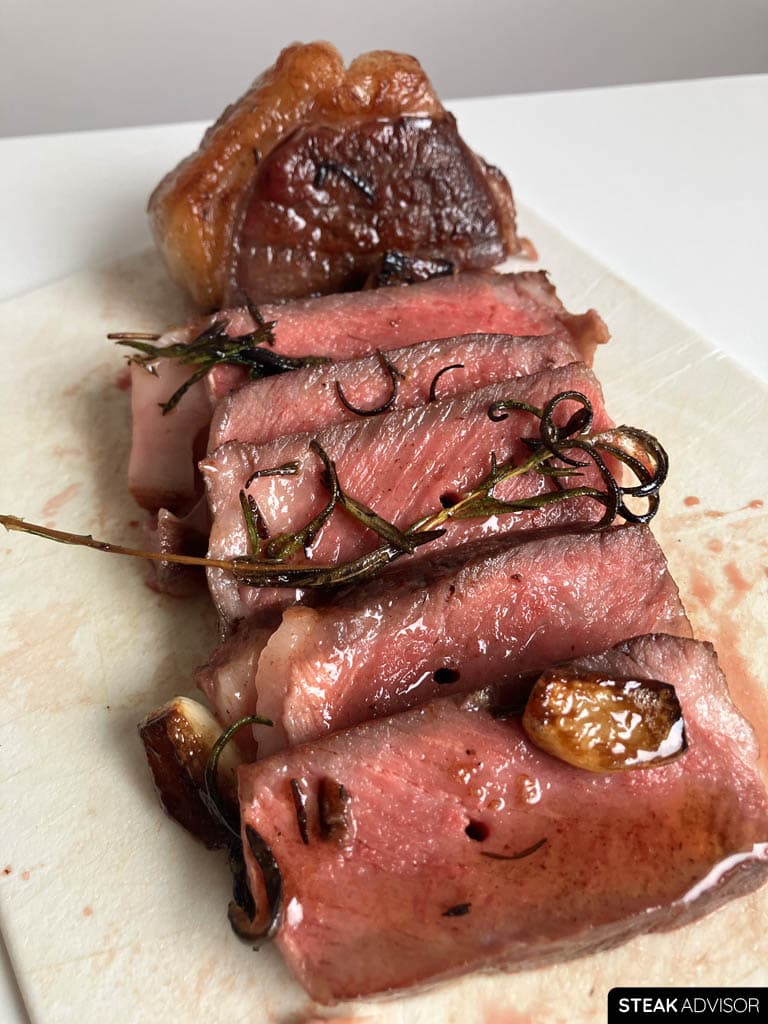
In general, the lower the percentage of Wagyu genetics, the less marbling you can expect and the more traditional the beef flavor becomes. The higher the percentage of Wagyu genetics, the richer, softer, and more buttery the beef tends to be. That doesn’t automatically mean one is better than the other. It really depends on what kind of eating experience you’re looking for.
If you want the most intense marbling and that rich, almost melt-in-your-mouth texture, fullblood American Wagyu is the better choice. But if you want something more balanced, with strong beef flavor and enough marbling to make it feel special without being overwhelming, crossbred American Wagyu is often the better option.
Is American Wagyu as Good as Japanese Wagyu?
In short, no. At least not if you’re expecting the kind of extreme marbling, richness, and tenderness that top Japanese Wagyu is known for.
Japanese Wagyu, especially the higher grades like A4 and A5, is on a different level when it comes to marbling. That intense marbling gives the beef a very rich, buttery flavor and an incredibly tender texture. It’s a unique experience, but let’s be honest, it’s also so rich that most people won’t want to eat a large steak of it.
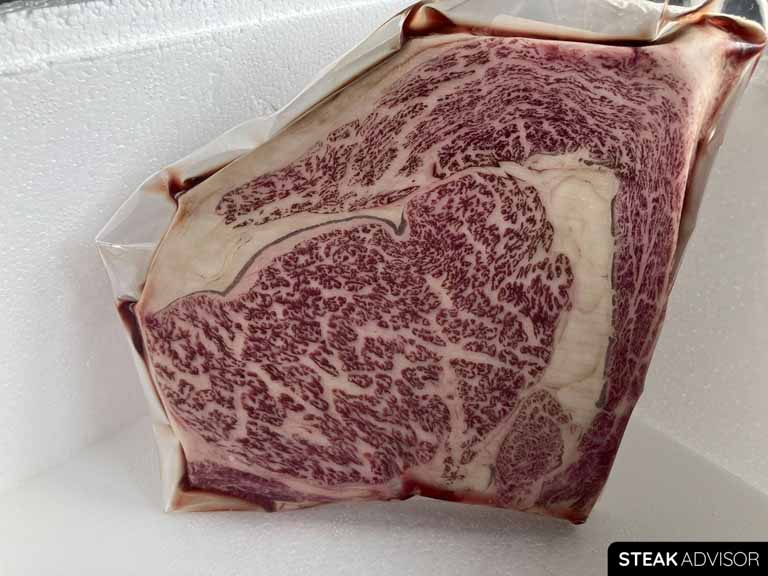
American Wagyu is different. It usually has less marbling, especially when it’s crossbred, so the flavor is beefier and less overwhelmingly rich. And that’s not a bad thing. In fact, for a regular steak, that can actually be a big advantage. Personally, I prefer this kind of steak for a regular dinner.

More marbling doesn’t always mean better. Sometimes it just means richer, softer, and heavier. Japanese Wagyu is amazing if you want that luxurious, melt-in-your-mouth kind of bite. But if you want a steak you can actually eat in a full portion and enjoy from start to finish, American Wagyu is often the better choice.
How Much Does American Wagyu Beef Cost?
Generally, American Wagyu is expensive, but prices vary widely depending on the cut, weight, and marbling grade. Crossbred American Wagyu steaks start around the $46 to $55 range, while larger or better-marbled ones can easily cost about $79 to $189. 100% Fullblood American Wagyu costs even more.
A few examples from Crowd Cow, Snake River Farms, and Lone Mountain Wagyu (as of April 6, 2026):
Crowd Cow / Mishima Reserve American Wagyu
- Ribeye steak, 16 oz (454 g): $108.99 ($108.99/lb | $240.28/kg)
- New York strip steak, 12 oz (340 g): $68.99 ($91.99/lb | $202.80/kg)
- Filet mignon steak, 6 oz (170 g): $54.99 ($146.64/lb | $323.29/kg)
Snake River Farms American Wagyu
- SRF Black Ribeye steak, 12 oz (340 g): from $64.00 ($85/lb | from $188/kg)
- SRF Gold ribeye, 12 oz (340 g): $75.00 ($100.00/lb | $220/kg)
- SRF Black New York strip steak, 10 oz (283 g): from $55.00 ($88.00/lb | from $194/kg)
- SRF Gold strip, 14 oz (397 g): $65.00 ($74/lb | $163/kg)
- SRF Black Filet mignon steak, 6 oz (170 g): from $46.00 ($122/lb | from $270/kg)
- SRF Gold Plus ribeye filet, 6 oz (170 g): $69.00 ($184/lb | $405/kg)
Lone Mountain Wagyu (100% Fullblood Wagyu)
- Ribeye steaks, 4 x 16 oz (4x 454 g, total 1,814 g): $350.00 ($87/lb | $192/kg)
- Strip steaks, 4 x 12 oz (4x 340 g, total 1,361 g): $315.00 ($105/lb | $231/kg)
- Filet mignon steaks, pack of 4, 4x 6-8 oz (4x 170-227 g, total 680-907g): from $180.00 ($264–$198/kg)
That’s exactly why the term “American Wagyu” by itself doesn’t tell you much about the price. To understand whether it’s worth it, you need to know what type of American Wagyu it is, whether it’s crossbred or fullblood, and then look at the cut and the marbling level.
Why Is American Wagyu More Expensive Than Regular Beef?
American Wagyu costs more than regular beef for a few main reasons:
- Wagyu genetics are more valuable: American Wagyu comes from cattle with Wagyu genetics, and those genetics are a big part of what makes the beef more expensive in the first place. The higher the percentage of Wagyu genetics, especially with Purebred or Fullblood cattle, the higher the price usually gets.
- It usually costs more to raise: Wagyu cattle are often raised with a stronger focus on marbling and overall beef quality. In practice, that usually means keeping them longer, feeding them for a longer period, and managing them more carefully. And all of that increases production costs.
- It’s much less common than regular beef: Regular beef is everywhere. American Wagyu isn’t. And once you get into better American Wagyu, especially Fullblood, there isn’t much of it on the market. Lower supply and higher demand are major reasons American Wagyu costs more.
- Better marbling increases the price: In many cases, you’re not just paying for the name. You’re paying for beef that actually has better marbling, a more tender texture, and a more premium overall look. But that depends on what you’re buying. Some American Wagyu has excellent marbling, and some of it honestly doesn’t look much different from regular high-quality beef.
- Branding also plays a role: Let’s be honest, the word “Wagyu” sells. But not all American Wagyu is worth the higher price. Some of it looks impressive. Some of it doesn’t look much different from a very good USDA Prime steak. That’s why I wouldn’t focus solely on the label.
Is American Wagyu Worth It?
Yes, American Wagyu is worth it, but only if you’re getting a really good one with a nice amount of marbling.
A high-quality American Wagyu steak is clearly a step above a good USDA Prime steak. It’s usually more marbled, more tender, juicier, and more flavorful, but still has that beefy flavor most people expect from a steak. And that’s exactly why I like it so much. It still feels special, but it’s not so rich that eating a full steak feels like too much.
That’s also the biggest difference between American Wagyu and Japanese Wagyu. Japanese Wagyu is known for its extreme marbling, incredibly soft texture, very rich buttery flavor, and, of course, the much higher price. It’s amazing, but let’s be honest, it’s not really the kind of steak most people want to eat like a regular steak for dinner.
American Wagyu makes a lot more sense for that. If the quality is there and the marbling looks good, it gives you a great balance. It feels more premium than USDA Prime, but it still eats like a real steak, not something you want to have just a few bites of.
So yes, American Wagyu is worth it, but only when the quality actually matches the price. If the marbling is there and the quality is obvious, it can be an excellent steak. If not, I’d rather buy a really good USDA Prime steak instead.

Where to Buy American Wagyu Beef?
These days, quite a few ranchers in the U.S. are raising American Wagyu. Most of it is crossbred, but you can also find some ranches that focus on fullblood Wagyu. A good place to start is the American Wagyu Association website, which has a breeder directory that can help you find producers.
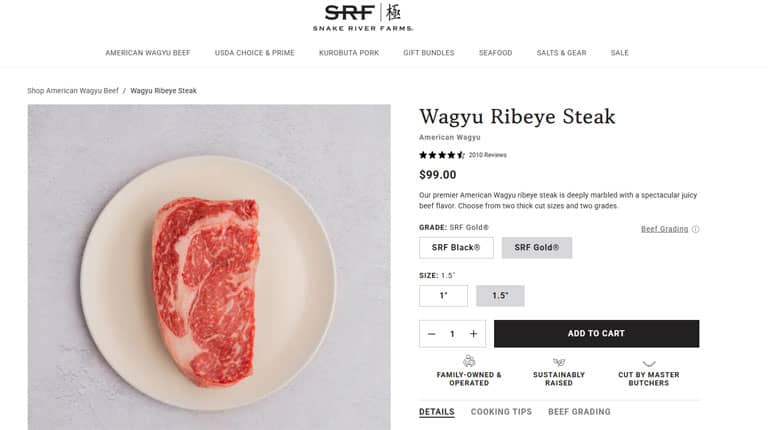
If you can’t find a really good American Wagyu locally, buying online is the easiest option. Snake River Farms is probably the best-known source for crossbred American Wagyu, and Crowd Cow is another solid option with a good selection from different producers.
If you’re specifically looking for fullblood American Wagyu, I’d do a bit more research and try to buy directly from the ranch whenever possible. Many of these ranches have their own websites where you can learn more about how they raise their cattle and, in some cases, order the beef directly. Lone Mountain Wagyu, for example, sells 100% Fullblood Wagyu directly through its website. Imperial American Wagyu Beef is another good example of a ranch focused on fullblood American Wagyu.
What to Look for When Buying American Wagyu
When buying American Wagyu, don’t focus only on the word Wagyu on the label. That alone doesn’t tell you much. The first thing I’d look at is the actual marbling, because that’s what usually makes the biggest difference in how the beef tastes.
Some American Wagyu has beautiful marbling and clearly looks better than regular beef. Some of it honestly doesn’t look much different from a very good USDA Prime steak. That’s why I always say the same thing: check the marbling first. If it doesn’t look noticeably better, the higher price may not be worth it.
The next thing to check is the classification. American Wagyu can be fullblood or crossbred. Fullblood means 100% Japanese Wagyu genetics. Crossbred means the cattle were bred with another breed, such as Angus. Most American Wagyu on the market is crossbred, and that’s not necessarily a bad thing, but you should know what you’re paying for.

It’s also a good idea to check how much information the seller gives you. A good seller should tell you what type of American Wagyu they’re offering, show clear photos of the beef, and give you enough detail to judge the quality. If all they do is use the word “Wagyu” without telling you much more, I’d be careful.
So before buying American Wagyu, I’d focus on four things: the marbling, the classification, the price, and the seller itself. That’s the best way to tell whether you’re actually getting high-quality beef or just paying extra for the name.
And if you’re buying from a smaller vendor, be careful. American Wagyu isn’t cheap, so it’s worth taking a minute to check whether the seller is actually reputable. I’d look at reviews, their website, and even their social media before buying. When beef is this expensive, you want to make sure you’re paying for real quality, not just the Wagyu name.
