

In this article, I’ll explain what Certified Angus Beef really is, the strict standards beef has to meet to earn the Certified Angus Beef label, how it differs from regular Angus beef and other types of beef, and why it costs more.
What is Certified Angus Beef?
Certified Angus Beef (CAB) is a premium beef brand created by the American Angus Association in 1978. It is not a cattle breed and not a USDA grade. Instead, it is a branded program for Angus beef that must meet stricter quality standards.
That is what the “Certified Angus Beef” name actually means. It tells you the beef meets more than just the basic USDA grading requirements. To earn the Certified Angus Beef label, beef must first grade as USDA Choice or USDA Prime and then meet all 10 Certified Angus Beef brand specifications, including factors such as marbling, size, and consistency. In other words, Certified Angus Beef is a brand label for high-quality Angus beef selected from the top end of USDA Choice and Prime that also meets a stricter set of brand standards.
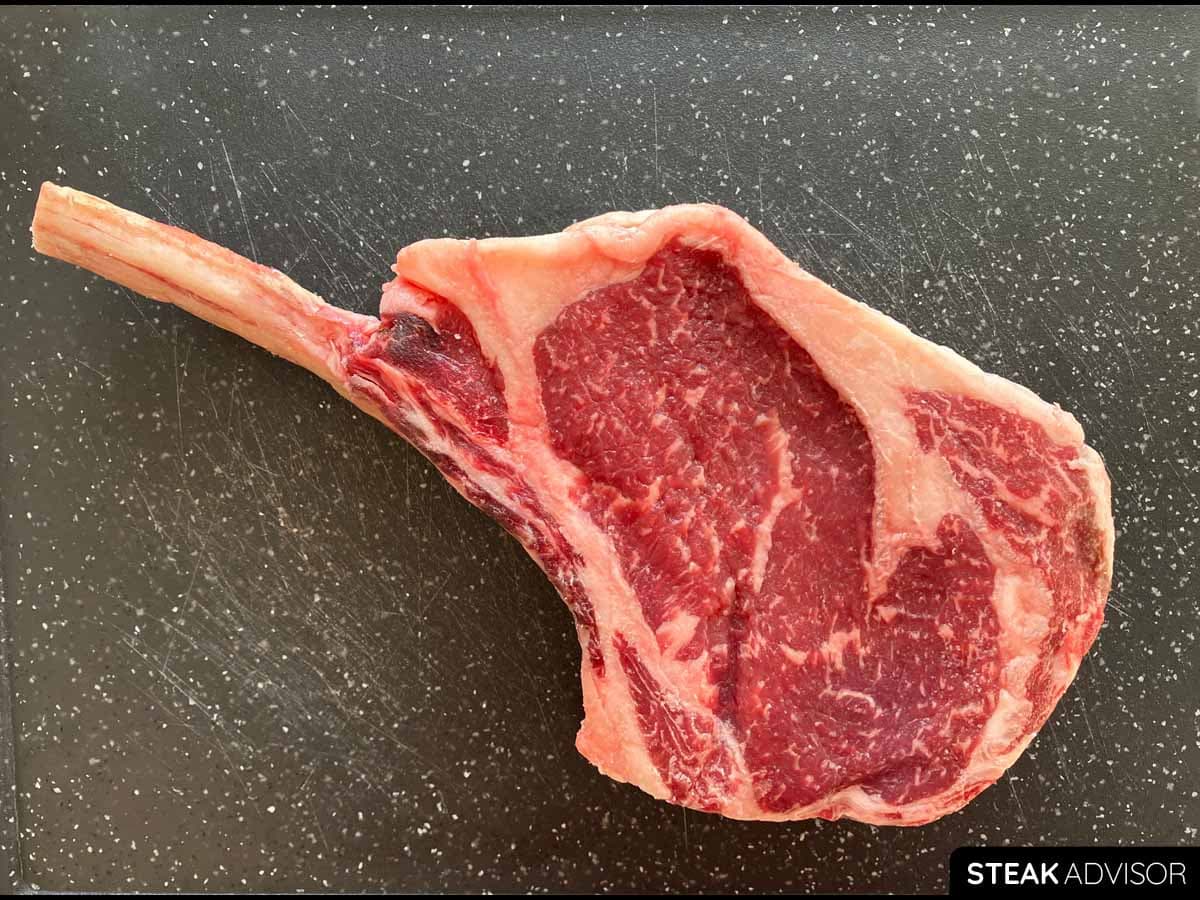
According to Certified Angus Beef®, only a small percentage of beef qualifies for its highest tier. The brand states that only 3% of beef meets the standards for Certified Angus Beef Prime. That should give you a better idea of how selective the program really is.
So, what does that mean for you? If you see Certified Angus Beef at the store, whether it is Choice or Prime, you can be sure it meets not only the USDA requirements for those grades, but also 10 additional quality standards set by the Certified Angus Beef brand. That extra level of selection is a major factor in why Certified Angus Beef has such a strong reputation for quality and consistency.
Remember, Angus is a breed of cattle, not a beef grade. Certified Angus Beef is a brand name, which means not all beef from Angus cattle qualifies for that label.
What Are the Requirements to Qualify for the Certified Angus Beef Label?
To earn the Certified Angus Beef® brand label, cattle must first be Angus-influenced with a predominantly solid black coat. The beef must then grade USDA Choice or USDA Prime and meet the brand’s 10 quality standards listed below:
- Modest or higher marbling
- Medium to fine marbling texture
- A carcass maturity of less than 30 months with A-maturity lean
- A ribeye area between 10 and 17 square inches (about 65 to 110 cm²). For certain cuts, a maximum of 19 square inches (about 123 cm).
- A hot carcass weight of 1,100 pounds (about 499 kg) or less
- Fat thickness of 1 inch (2.5 cm) or less
- Superior muscling
- Carcasses must be practically free of capillary rupture
- No dark cutters
- No neck hump over 2 inches (5 cm)
According to Certified Angus Beef®, only about 3-4 in 10 Angus cattle meet these standards.
Certified Angus Beef vs. Other Types of Beef
In this section, I break down how Certified Angus Beef compares to other types of beef.
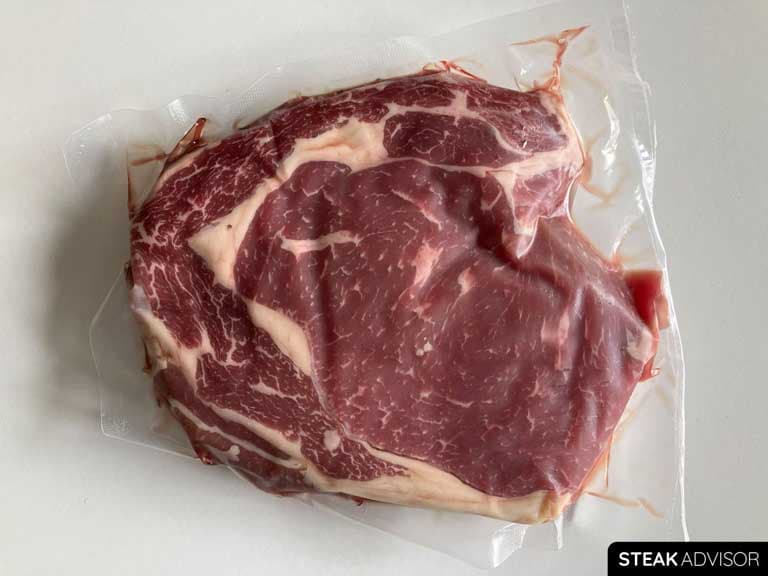
Certified Angus Beef vs. Regular Beef
Certified Angus Beef and regular beef are not the same thing, but the difference is not just the name on the package. The main differences come down to the type of cattle, the standards the beef has to meet, and the price.
1. Cattle Requirements
Certified Angus Beef has to come from cattle that meet the brand’s requirements. The cattle do not have to be 100% Angus, but they must be Angus-influenced and have a predominantly solid black hide.
Regular beef does not have those requirements. It can come from any breed, with no Angus influence, hide color, or breed-specific standards.
2. Quality Standards
Certified Angus Beef has to meet stricter quality standards. To qualify, the beef must first be USDA Choice or USDA Prime. From there, it must also meet 10 additional brand specifications related to marbling, maturity, size, muscling, and overall consistency.
Regular beef has a much wider quality range. It can include everything from USDA Prime and Choice down to Select, Standard, and lower grades. It also does not have to meet any extra breed-specific brand standards beyond the basic USDA grading system.
3. Price
Certified Angus Beef usually costs more, and that higher price comes from the stricter standards and more selective process behind it.
Regular beef is usually more affordable and comes in a much wider price range. In many cases, it also gives you more options to choose from.
Certified Angus Beef vs. Regular Beef: Which One Is Better?
That depends on the specific cut in front of you. Do not assume Certified Angus Beef is always the better piece of meat just because of the label. Sometimes a regular steak can look better, have more marbling, or offer better value for the price. That is why I always recommend comparing the grade, the marbling, and the price side by side before you buy. The label can tell you a lot, but it should not be the only thing you look at.
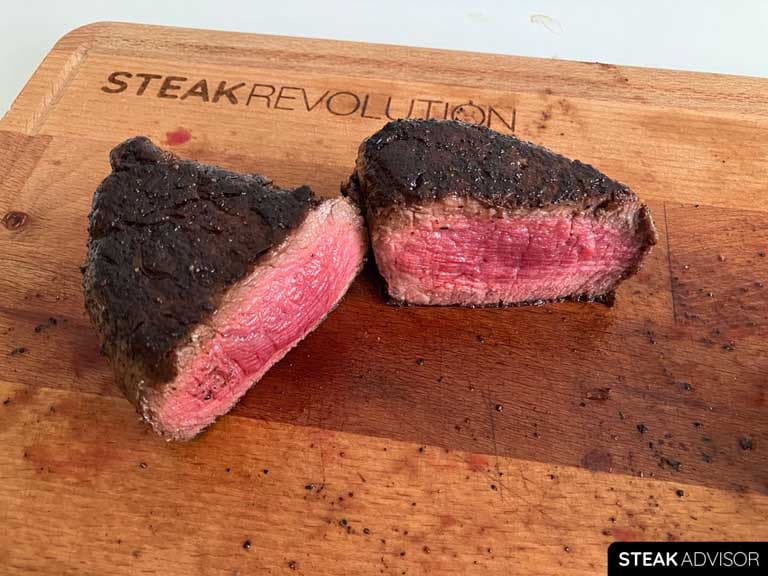
Certified Angus Beef vs. USDA Prime and USDA Choice
Certified Angus Beef is not the same thing as USDA Prime or USDA Choice. Certified Angus Beef is a private beef brand created by the American Angus Association, while USDA Prime and USDA Choice are official beef grades assigned by the U.S. Department of Agriculture.
That is the main difference. Certified Angus Beef is a brand, while Prime and Choice are USDA beef quality grades.
To qualify for the Certified Angus Beef label, the beef must first grade USDA Choice or USDA Prime. From there, it must also meet the brand’s 10 additional standards. USDA Prime and USDA Choice, on the other hand, can come from any cattle breed and only need to meet USDA grading requirements. They do not have to meet any extra brand requirements related to Angus influence, hide color, or the other Certified Angus Beef specifications.
In simple terms, Certified Angus Beef starts with USDA grading and then adds its own stricter standards. That is why it is usually more consistent than regular USDA-graded beef, but it does not automatically mean it will always be better than every USDA Prime or Choice cut you see.
That is why I always recommend comparing the cuts visually before you buy. Do not rely solely on brand-name labels or USDA grades. Look at the marbling, check the price, and decide if the extra cost is really worth it.

Certified Angus Beef vs. Kobe Beef
Certified Angus Beef is an American premium beef brand, while Kobe beef is a protected Japanese beef designation with much stricter origin requirements.
Certified Angus Beef and Kobe beef differ most in marbling, texture, and price. Kobe beef is known for its extremely heavy marbling and much richer texture. Certified Angus Beef can still have plenty of marbling, but it is nowhere near as heavily marbled or as expensive as real Kobe beef. That is why Certified Angus Beef is far more realistic for everyday buying, while Kobe beef is more of a special-occasion product.
So if you are deciding between the two, it really comes down to what you want. If you want premium beef that is easier to find and much more affordable, Certified Angus Beef makes a lot more sense. If you want the ultra-rich texture and are willing to pay a lot more for it, Kobe beef is in a completely different category.
See my guide on Kobe beef to learn more.

Why Is Certified Angus Beef More Expensive?
Certified Angus Beef costs more because the standards are stricter and fewer cattle qualify. To earn the label, the beef must first be USDA Choice- or USDA Prime-graded and then meet 10 additional brand specifications. That smaller supply, combined with the brand’s focus on consistency, is a big reason Certified Angus Beef usually costs more than regular beef.
Where to Buy Certified Angus Beef?
You can find Certified Angus Beef at many grocery stores, butcher shops, restaurants, and online meat retailers. The easiest way to find it near you is to use the official Certified Angus Beef store locator on the brand’s website. Just enter your city or ZIP code, and it will show you nearby places that carry Certified Angus Beef.
Is Certified Angus Beef Worth It?
In most cases, yes. If you care about consistency, want beef that is very tender, flavorful, and well-marbled, and do not mind paying more for it, Certified Angus Beef is really worth the money.
The reason is simple. Certified Angus Beef has to meet stricter standards than regular beef. It must first be USDA Choice or USDA Prime, and then it must also meet 10 additional brand specifications. On paper, that gives you a more selective product than standard beef, which is sold only under the USDA grade. That does not mean every cut will be automatically better. Still, in general, it gives you a better chance of getting beef with good marbling, better tenderness, and more consistent quality.

That said, the higher price will be the biggest downside for many people, especially if you buy beef often. If you only eat steak from time to time and want a really good one, paying extra for Certified Angus Beef can make sense. But if your main goal is getting the best value for your money, I wouldn’t focus solely on the label. I would focus on the steak itself. Look at the marbling, look at the muscle structure, compare it with the other options, and then look at the price. Sometimes the best-looking steak in the case is not the one with the premium label.
That is why I always recommend learning what to look for when buying steak. Once you know how to judge marbling and overall appearance, it gets much easier to spot the best steak for the money. If you want to get better at that, read my guide on how to choose a really good steak.
Some critics argue that Certified Angus Beef does not guarantee that the beef comes from purebred Angus cattle. Eligibility is based largely on visible Angus characteristics, especially a predominantly black hide, rather than proof of purebred lineage. Critics also note that Red Angus cattle (genetically very similar to Black Angus except for coat color) are excluded from the program, even though coat color does not affect beef quality.
