Beef Tenderloin – Subprimal Cut

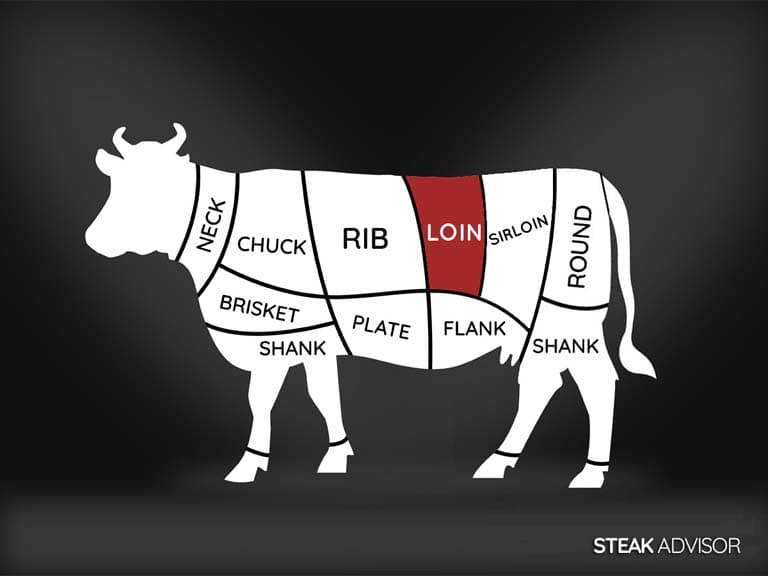
Beef tenderloin is a boneless subprimal cut from the loin primal. It is one of the most popular cuts of beef, known for being extremely tender – it’s the most tender muscle on a cow and, unfortunately, one of the most expensive. Beef tenderloin is usually sold as a whole roast or sliced into individual steaks, known as tenderloin steak (filet mignon). Its exceptional tenderness and taste make beef tenderloin a classic choice for elegant meals and special occasions.
Cuts from the Beef Tenderloin Subprimal

Chateaubriand Tenderloin Roast
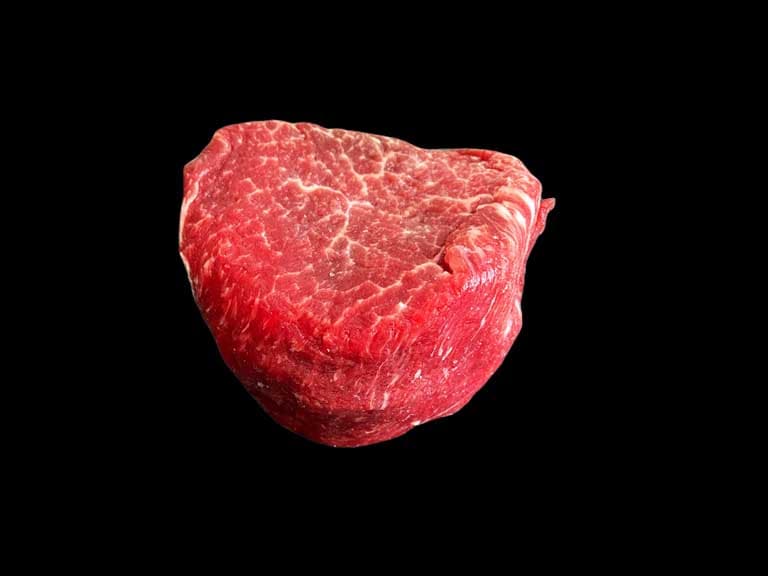

Tenderloin Tips
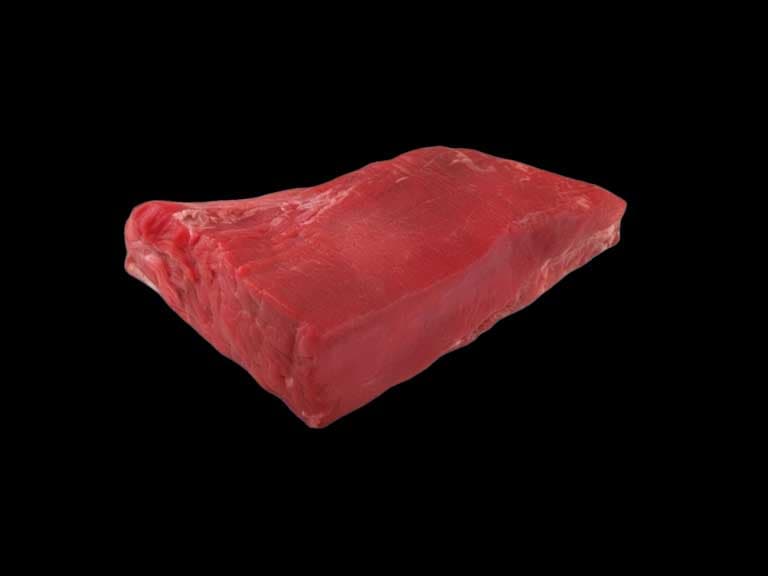
Tenderloin Tails

Defatted Tenderloin Butt
What is Beef Tenderloin?
Beef tenderloin is a cut of meat from the cow’s loin primal, located near the backbone. Since this muscle doesn’t do much weight-bearing work, it’s incredibly tender. It has a lean but mouth-watering tender texture that feels luxurious. It is one of the most expensive cuts of beef, but for some beef lovers, it is overrated because it lacks the bold flavor of other cuts.
Beef tenderloin is usually sold as a whole roast or cut into large steaks known as center-cut filet mignon (or just filet mignon) and smaller ones known as medallions. It’s also available as a whole muscle, which requires some butchering to separate the key cuts. Butchering the beef tenderloin muscle is a good option if you want to save money, as it’s cheaper.
When a butcher works with a whole beef tenderloin, they divide it into several cuts, each known by a different name. This can get confusing if you don’t know what those names mean or which cut they’re referring to. Take “filet mignon,” for example. It’s a popular term, but many people don’t fully understand what it refers to.
Are Beef Tenderloin and Filet Mignon the Same?
Technically, beef tenderloin and filet mignon aren’t the same, but they’re closely related.
The beef tenderloin is a long muscle with different sections: the narrow tail, the more even center section, and the thicker head end. Depending on how it’s trimmed, it may also have the chain, or side muscle, still attached.
Technically, steaks cut from any part of the tenderloin can be called tenderloin steaks. But in practice, those steaks are not all the same. They differ in thickness, shape, and portion size, so using the same name for all of them is misleading. That’s why more specific names are used, depending on which part of the whole beef tenderloin the steak comes from.
In many butcher shops and restaurants, filet mignon refers to a thick, uniform steak cut from the center section of the tenderloin, the most consistent part of the whole beef tenderloin muscle in both shape and thickness. That’s why it can be cut into thick, even steaks, about 2 inches (5 cm) thick. These are the best steaks from the whole beef tenderloin muscle: thick, very lean, extremely tender, and, unfortunately, the most expensive.
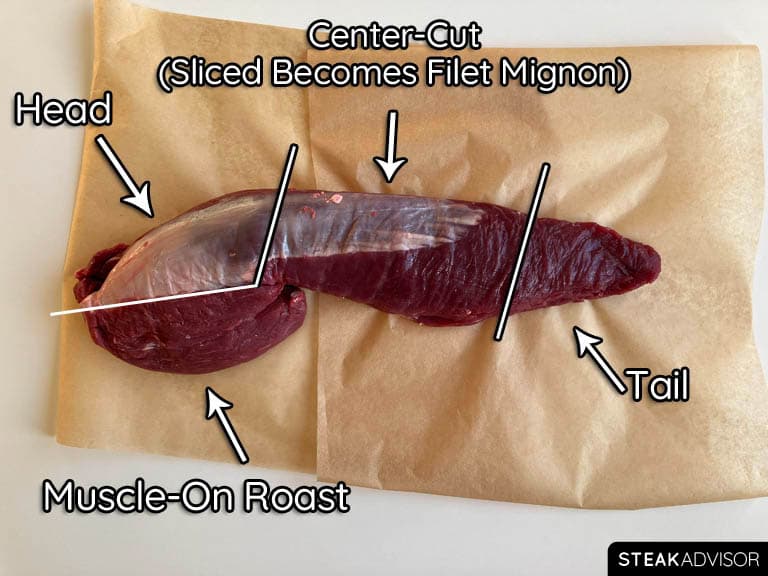
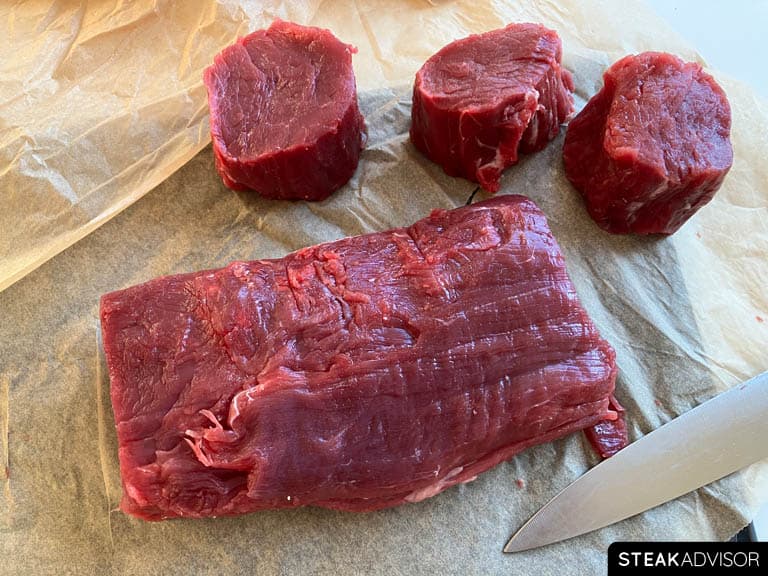
The tail and head are not the same as the center-cut tenderloin. These parts are thinner, narrower, and less consistent in shape than the center-cut section. Steaks cut from those parts are called tenderloin medallions, tournedos, tenderloin tips, petite fillets, or fillet medallions by butchers, not filet mignon. They are still lean and very tender, but they do not have the same thick, even shape as a true filet mignon from the center-cut tenderloin. On average, fillet medallions are closer to 1 inch (2.5 cm) thick, which is why I personally like using them for a good steak sandwich.
Of course, the exact names can vary depending on the country, region, butcher, or shop. But I prefer to keep it simple: filet mignon is the thick, uniform steak from the center of the beef tenderloin.
The term “Chateaubriand” is a good example of why terminology can get confusing. In the United States, Chateaubriand usually refers to a center-cut tenderloin roast. But in some places, the same name is used for the thicker head end of the tenderloin. That’s why I care less about the label and more about the actual cut: if you want a true filet mignon, look for a thick, even steak from the center of the tenderloin.
The key is to understand which part of the beef tenderloin your cut comes from. The easiest way to see the difference is to look at the whole beef tenderloin and compare the center-cut section with the tail and head. And if possible, ask the butcher which part of the tenderloin the steak was cut from.
If a steak sold as filet mignon is narrow, thin, or irregular, it may have been cut from the tail or head end – or simply portioned thinner by the butcher.
What Are Other Names for Beef Tenderloin?
Here are some of the most popular other names for beef tenderloin in the United States:
- Butt Tenderloin,
- Chateaubriand (center-cut tenderloin),
- Filet Mignon,
- Filet Mignon Roast,
- Full Tenderloin Roast,
- Medallions,
- Short Tenderloin,
- Tenderloin Tips,
- Tournedos.
What Does Beef Tenderloin Taste Like?
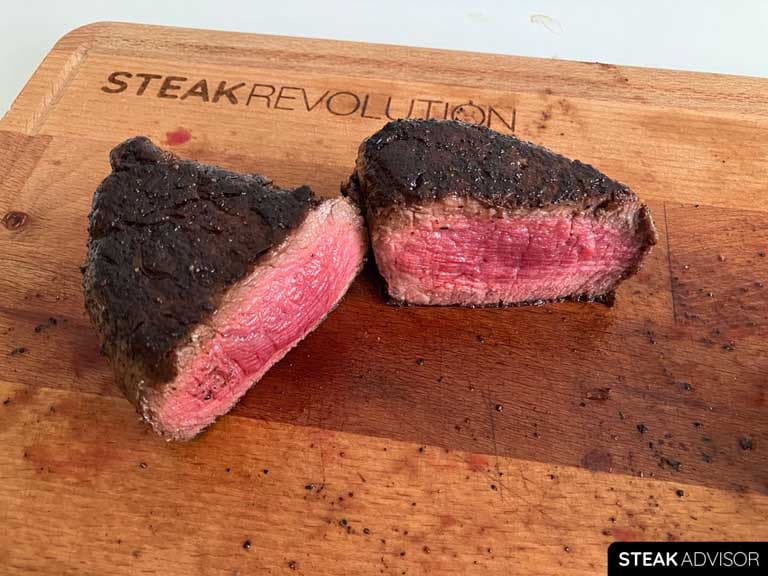
Beef tenderloin has a very mild taste. It’s a lean cut with almost no marbling, so it doesn’t have the rich taste you might find in more marbled cuts like prime rib (ribeye roast). Unlike other lean beef cuts, it also lacks that strong beefy flavor. Because of this, beef tenderloin isn’t the best choice for people who love a rich, beefy taste. Instead, it’s perfect for those who prefer extremely tender, lean meat. The mild flavor is also why it’s often paired with gravies. Due to its lack of beefy taste and high price, many beef lovers feel it’s not worth the cost.
How Big is a Beef Tenderloin?
A beef tenderloin is usually about 2 feet (60 cm) long and weighs between 4 to 6 pounds (1.8 to 2.7 kg). A whole tenderloin can easily feed up to a dozen people.
How Many Tenderloins Are in a Cow?
A cow has two tenderloins, one on each side of its spine. The tenderloin is a small, long muscle that runs along the spine, under the ribs.
What is Beef Tenderloin Used For?
Beef tenderloin is a versatile cut of beef that works well in many dishes. It’s often used as a whole roast, like a chateaubriand, or sliced into steaks, such as filet mignon or smaller medallions. The whole roast is perfect for cooking in the oven, while the smaller cuts are ideal for quick methods like pan-searing or grilling. Its tenderness and rich flavor make it a favorite for special occasions and fancy meals.


